
Closing costs for home buyers in Canada, itemized.
Beyond your down payment, closing a home purchase in Canada means land transfer tax, legal fees, title insurance, inspection, appraisal, adjustments, and PST on your CMHC premium. Here’s every cost, what it’s for, and roughly what to budget.
Land transfer taxLegal + titleInspection + appraisalAdjustmentsPST on CMHCBudget 1.5-4%
You saved for the down payment — and then, weeks before closing, you learn there’s a whole second bill nobody flagged. Land transfer tax alone can run into five figures. Add the lawyer, title insurance, the home inspection, an appraisal, adjustments for prepaid property tax, and — if your down payment is under 20% — provincial sales tax on your CMHC insurance premium, which you pay in cash at closing. Blindsided buyers scramble, borrow, or delay. Informed buyers budget for it from day one. This guide itemizes every closing cost a Canadian home buyer faces, explains what each one actually pays for, and shows you how to estimate your total before you make an offer — so there are no surprises at the lawyer’s office.
What you get
Why Canadians choose Mortgage Squad Advisors.
See every closing cost in one place — nothing buried in fine print at signing
Understand land transfer tax, the single largest closing cost in most provinces
Know which first-time buyer rebates can cut or erase your land transfer tax
Learn what your real estate lawyer actually does and what they charge for
Understand title insurance — what it protects and why lenders require it
Budget for the home inspection and appraisal, and know who pays each
Grasp closing adjustments — reimbursing the seller for prepaid property tax and utilities
Understand why you pay PST on your CMHC premium in cash, even though the premium itself is financed
Get a realistic percentage-of-price range so you can plan with confidence
Estimate your exact total in seconds with our closing costs calculator
Maya · 24/7 AI advisor
Question about home buyer closing costs guide? Maya answers instantly in 50+ languages.
Start with the big ones — land transfer tax and legal fees — then add title insurance, inspection, appraisal, and any PST on a CMHC premium if you’re putting down less than 20%. We map every line item to your province and price point so nothing gets missed.
2
Estimate the total
Run your purchase price and location through our closing costs calculator for a province-specific estimate. As a rule of thumb, budget roughly 1.5% to 4% of the purchase price for closing costs — the range depends heavily on your province’s land transfer tax and whether you qualify for rebates.
3
Build it into your plan
Because most closing costs are paid in cash at closing and can’t be rolled into the mortgage, we factor them into your affordability math from the start — so the number you qualify for is the number you can actually close on, not a nasty surprise three weeks out.
Closing costs for home buyers in Canada: what you’re actually paying
Your down payment is the cost everyone talks about. Closing costs are the ones that catch people out. They’re the collection of taxes, professional fees, and one-time charges you pay in cash at closing — on top of the down payment — to legally transfer the property into your name and register your mortgage. As a working rule, they total somewhere between 1.5% and 4% of the purchase price, though the exact figure swings widely with your province and whether you qualify for first-time-buyer rebates.
The reason they surprise buyers is that most of them can’t be financed. You can’t roll land transfer tax or your lawyer’s bill into the mortgage — lenders actually require you to show you have roughly 1.5% of the price set aside for closing before they’ll fund. So the money has to be real, liquid, and available the week you close.
The good news is that every one of these costs is knowable in advance. The rest of this guide walks through each line item — what it is, what it pays for, and roughly what to budget — and you can get a province-specific total in seconds from our closing costs calculator. Estimate it early, and closing day holds no surprises.
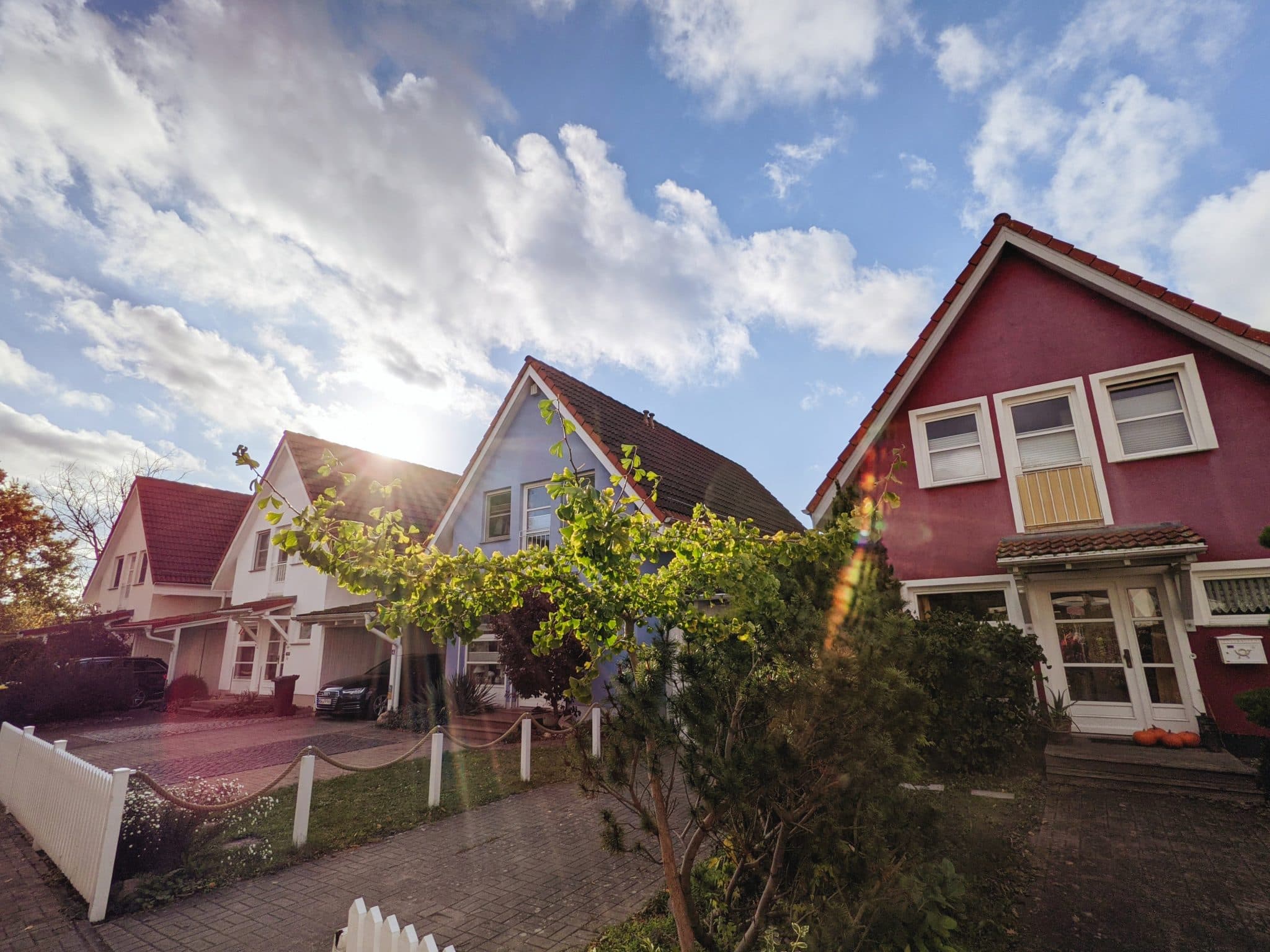
Land transfer tax: usually the biggest line
For most buyers, land transfer tax is the largest closing cost by a wide margin. It’s a tax charged by your province (and, in a few cities, by the municipality) whenever property changes hands, calculated as a tiered percentage of the purchase price — the more expensive the home, the higher the effective rate. On a typical purchase it commonly runs from several thousand dollars to well over ten thousand.
Where you buy matters enormously. Provinces set their own rates and brackets, and Toronto buyers pay twice — once to the province and again through a separate municipal land transfer tax — which can roughly double this line. That geographic variation is why a national “average” closing-cost figure is nearly useless; your actual number depends on your exact location.
There is meaningful relief available. Most provinces, and Toronto, offer a first-time home buyer rebate that reduces or eliminates land transfer tax up to a set threshold — often enough to erase the tax entirely on a modestly priced first home. Because the brackets and rebate rules are province- and city-specific, the reliable move is to calculate your exact amount with our land transfer tax calculator, which factors in local rates and the rebates you qualify for.
The professional costs: lawyer, title insurance, inspection, appraisal
A cluster of professional fees rounds out most closing bills. First, your real estate lawyer (or notary, in some provinces) — you can’t close without one. They review the purchase agreement, search the title, register the transfer and your mortgage, hold and disburse the funds, and arrange title insurance. Their bill has two parts: the legal fee itself plus disbursements — the real out-of-pocket costs for searches, registration, and software. Ask for both figures separately so you’re comparing lawyers on the same basis.
Title insurance is a one-time policy your lawyer arranges that protects against title defects — fraud, undisclosed liens, survey errors, encroachments — that could otherwise jeopardize your ownership or your lender’s security. Lenders virtually always require a policy covering their interest; buyers are wise to add owner’s coverage too. The premium is modest and paid once, at closing.
Then the two property assessments. A home inspection is optional but strongly recommended — an inspector reports on the physical condition so you know what you’re buying, and you pay directly, usually before closing. An appraisal estimates market value for the lender; sometimes the lender orders and covers it, but on many files the buyer pays. Neither is huge on its own, but together they’re real money you should budget from the moment you make an offer.
Adjustments and PST on your CMHC premium: the costs buyers forget
Two closing costs blindside buyers more than any others because they’re not obvious until the lawyer’s statement lands.
The first is closing adjustments. If the seller prepaid costs that cover time after you take ownership — most commonly the year’s property tax, but also utilities, condo fees, or fuel — you reimburse them for your share. Your lawyer works this out on the statement of adjustments and adds it to the cash you bring to closing. It’s usually modest, but it’s a genuine out-of-pocket amount that’s easy to overlook when budgeting.
The second trips up nearly every buyer putting down less than 20%: PST on the CMHC premium. When your down payment is below 20%, you need mortgage default insurance, and the premium is added to your mortgage and financed — so far, painless. But several provinces levy provincial sales tax on that insurance premium, and the PST cannot be financed. You pay it in cash at closing. Because the premium itself disappears into the mortgage, buyers assume the tax does too — and then face an unexpected bill. Our CMHC insurance calculator shows both the premium and the provincial tax on it, so you can see exactly what’s financed and what you’ll owe in cash.
Budgeting for closing — and making it part of your real number
Add it all up — land transfer tax, legal fees and disbursements, title insurance, inspection, appraisal, adjustments, and any PST on a CMHC premium — and closing costs land in that 1.5% to 4% of purchase price range, skewing higher in provinces and cities with heavy land transfer tax and lower where first-time-buyer rebates apply. The precise figure is knowable; run it early with our closing costs calculator so it’s a planned line, not a shock.
The mistake we see most is treating closing costs as an afterthought to the down payment. Because they’re paid in cash and mostly can’t be financed, they need to sit inside your affordability math from the start. When we work up your budget, we account for them alongside the down payment and your affordability ceiling, so the price you shop at is one you can actually close on — with the cash for both the down payment and the closing costs in hand.
That’s where an independent brokerage helps. With access to 100+ lenders and FSRA licence #13737, Mortgage Squad Advisors structures your financing and your cash plan together, flags provincial quirks like the CMHC-premium PST before they surprise you, and points first-time buyers to every rebate they qualify for. Start with a no-obligation pre-approval, review the numbers on our first-time buyer closing costs page, or ask Maya to itemize your specific closing costs any time.
FAQ
Common questions, answered.
Don’t see yours? Ask Maya — instant answer, any time.
How much are closing costs in Canada?
As a general rule, budget between 1.5% and 4% of the purchase price for closing costs, paid in cash on top of your down payment. The single biggest variable is land transfer tax, which differs sharply by province — and by city in places like Toronto, which levies a second municipal land transfer tax. First-time-buyer rebates can lower the total substantially. The most reliable way to know your figure is to run your price and location through our closing costs calculator.
What is land transfer tax and how much is it?
Land transfer tax is a provincial (and sometimes municipal) tax charged when property changes hands, calculated as a sliding percentage of the purchase price. It’s usually the largest single closing cost — often several thousand to well over ten thousand dollars on a typical home. Toronto buyers pay it twice: once provincially and once to the city. Most provinces offer a first-time buyer rebate that reduces or eliminates it up to a threshold. Our land transfer tax calculator gives you the exact figure for your province and city.
What are legal fees on a home purchase?
You need a real estate lawyer (or notary in some provinces) to close the purchase — they review the contract, conduct title searches, register the mortgage and transfer, handle the money, and arrange title insurance. Expect legal fees plus disbursements (the lawyer’s out-of-pocket costs for searches and registration) to run roughly a four-figure sum in total. Ask for a quote that separates the fee from disbursements so you can compare lawyers fairly.
What is title insurance and do I need it?
Title insurance is a one-time policy that protects against title defects — fraud, survey errors, unknown liens, or encroachments — that could threaten your ownership. Lenders almost always require a policy protecting their interest, and buyers are strongly encouraged to add owner’s coverage for themselves. It’s a modest one-time premium paid at closing, and it’s cheap insurance against expensive problems. Your lawyer arranges it as part of closing.
Do I pay for a home inspection and an appraisal?
Often yes, and they’re different things. A home inspection is optional but wise — an inspector checks the physical condition of the property so you know what you’re buying, and you pay for it directly. An appraisal estimates the property’s market value for the lender; it’s sometimes required as a mortgage condition and sometimes covered by the lender, but on many files the buyer pays. Budget for both when you’re making an offer that isn’t insured or is above a lender’s automated valuation threshold.
What are closing adjustments?
Adjustments reconcile costs the seller prepaid that cover the period after you take ownership. The most common is property tax: if the seller already paid the year’s taxes, you reimburse them for the portion covering your months of ownership. Prepaid utilities, condo fees, or heating oil can be adjusted the same way. Your lawyer calculates these on the statement of adjustments and folds them into the cash you bring to closing — they’re usually modest but can catch buyers off guard.
Why do I pay PST on the CMHC premium?
If your down payment is under 20%, you need default (CMHC or equivalent) insurance, and the premium itself is added to your mortgage and financed over time. But several provinces charge provincial sales tax on that insurance premium — and that PST cannot be financed. You pay it in cash at closing. It catches many first-time buyers by surprise because the premium feels like it’s wrapped into the mortgage, yet the tax on it is an out-of-pocket closing cost. Our CMHC insurance calculator shows both the premium and the PST.
Can I add closing costs to my mortgage?
Mostly no. Land transfer tax, legal fees, title insurance, inspection, appraisal, adjustments, and the PST on your CMHC premium are almost always paid in cash at closing and cannot be rolled into the mortgage. Lenders typically require you to prove you have roughly 1.5% of the purchase price available for closing costs on top of your down payment. The CMHC premium itself is the main exception — it’s financed — but the tax on it is not. Plan to have the cash ready.
Are closing costs different for first-time buyers?
The line items are the same, but first-time buyers often qualify for relief that lowers the total — most notably provincial (and in Toronto, municipal) land transfer tax rebates, which can save thousands or eliminate the tax entirely up to a threshold. Other federal first-time-buyer incentives may also apply. Because the rules and thresholds vary by province, it’s worth confirming what you qualify for — see our first-time buyer closing costs page and run the numbers before you set your budget.