
Mortgage Squad Advisors
Closing Costs

First-time buyer closing costs: the bill beyond your down payment.

Your down payment isn't the only cash you need on closing day. We break down every first-time buyer closing cost in Canada — land transfer tax, legal fees, title insurance and more — so nothing catches you short.

Budget ~1.5–4% of priceLand transfer tax + rebatesLegal & title costsInspection + appraisalPST on CMHC premiumOne clear checklist
5-star rated| FSRA #13737| 5-min pre-qualification

Written by the Mortgage Squad Advisors Editorial Team · Reviewed by the Principal Broker, FSRA #13737 · Updated June 2026

Buying your first home?
Get in with just 5% down.
Stack 4 government programs to lower your costs. Most first-time buyers close in 21 days — and you pay no broker fee.
$40K
Tax-free FHSA savings
$60K
RRSP Home Buyers' Plan
$8,475
Land transfer tax rebate
24 hr
Pre-approval turnaround
Down-payment stack
FHSA contribution
RRSP HBP withdrawal
Gifted / savings
Maya · AI · 24/7
What programs can I stack as a first-time buyer?
5-star rated| FSRA #13737| 50+ langs

Most first-time buyers save carefully for a down payment and then get blindsided at the lawyer’s office by a second stack of costs they never budgeted for. Land transfer tax alone can run into the thousands; add legal fees, title insurance, a home inspection, an appraisal, and the sale-day adjustments, and the ‘extra’ can total roughly 1.5–4% of the purchase price — on a $600,000 home, often somewhere in the four-to-low-five-figure range. The good news: almost all of it is predictable, and first-time buyers qualify for land-transfer-tax rebates that can wipe out a big chunk. This page lays out every line so you walk into closing with the right number set aside, not a nasty surprise.

What you get

Why Canadians choose Mortgage Squad Advisors.

A complete, plain-language checklist of every closing cost a first-time buyer pays in Canada
How land transfer tax works — and the first-time-buyer rebates that can reduce or eliminate it
What legal / lawyer fees and disbursements typically cover, and a realistic range to budget
Where title insurance fits in, why lenders require it, and roughly what it costs
When a home inspection and an appraisal are needed and what each usually runs
Sale-day adjustments (prepaid property tax, utilities) explained so the final number makes sense
The often-overlooked PST charged on your CMHC / default-insurance premium
A simple rule of thumb — budget roughly 1.5–4% of the purchase price — and how to firm it up
How closing costs differ by province, and why Ontario / Toronto buyers should budget more
A clear picture of cash-to-close so your down payment and costs are both covered
Maya · 24/7 AI advisor

Question about first-time buyer closing costs? Maya answers instantly in 50+ languages.

How it works

Three simple steps, no pressure.

1

Estimate the big three

Start with the costs that move the needle: land transfer tax (net of any first-time-buyer rebate), legal fees, and title insurance. Land transfer tax is the largest for most buyers and varies by province — and Toronto buyers pay a municipal LTT on top. Use our land transfer tax calculator to get your number, then apply the rebate you qualify for as a first-time buyer.

2

Add the inspection, appraisal & adjustments

Layer in the smaller, mostly one-time costs: a home inspection (optional but wise), an appraisal if your lender orders one, and the closing adjustments where you reimburse the seller for prepaid property tax or utilities. None are huge on their own, but together they matter — so we total them in writing.

3

Set aside cash-to-close

Add it all to your down payment to get your true cash-to-close. As a first-time buyer, budget roughly 1.5–4% of the purchase price for closing costs and confirm the exact figure with your lawyer’s statement before closing. We’ll help you pressure-test the number so you’re never short on the day keys change hands.

What closing costs does a first-time buyer pay in Canada?

Closing costs are the one-time expenses — separate from your down payment — that you settle when the purchase legally completes. For a first-time buyer in Canada the main lines are land transfer tax (net of any rebate), legal fees and disbursements, title insurance, a home inspection, sometimes an appraisal, closing adjustments, and provincial sales tax on your CMHC premium if you’re putting less than 20% down. Added up, they typically land somewhere around 1.5% to 4% of the purchase price.

The reason the range is wide is almost entirely land transfer tax, which swings dramatically by location. Everything else is relatively stable and predictable. The goal of this page is simple: give you a complete checklist so your first-time buyer mortgage plan includes the real cash-to-close, not just the down payment. Start by estimating your biggest line with our closing costs calculator, then read on for how each piece works.
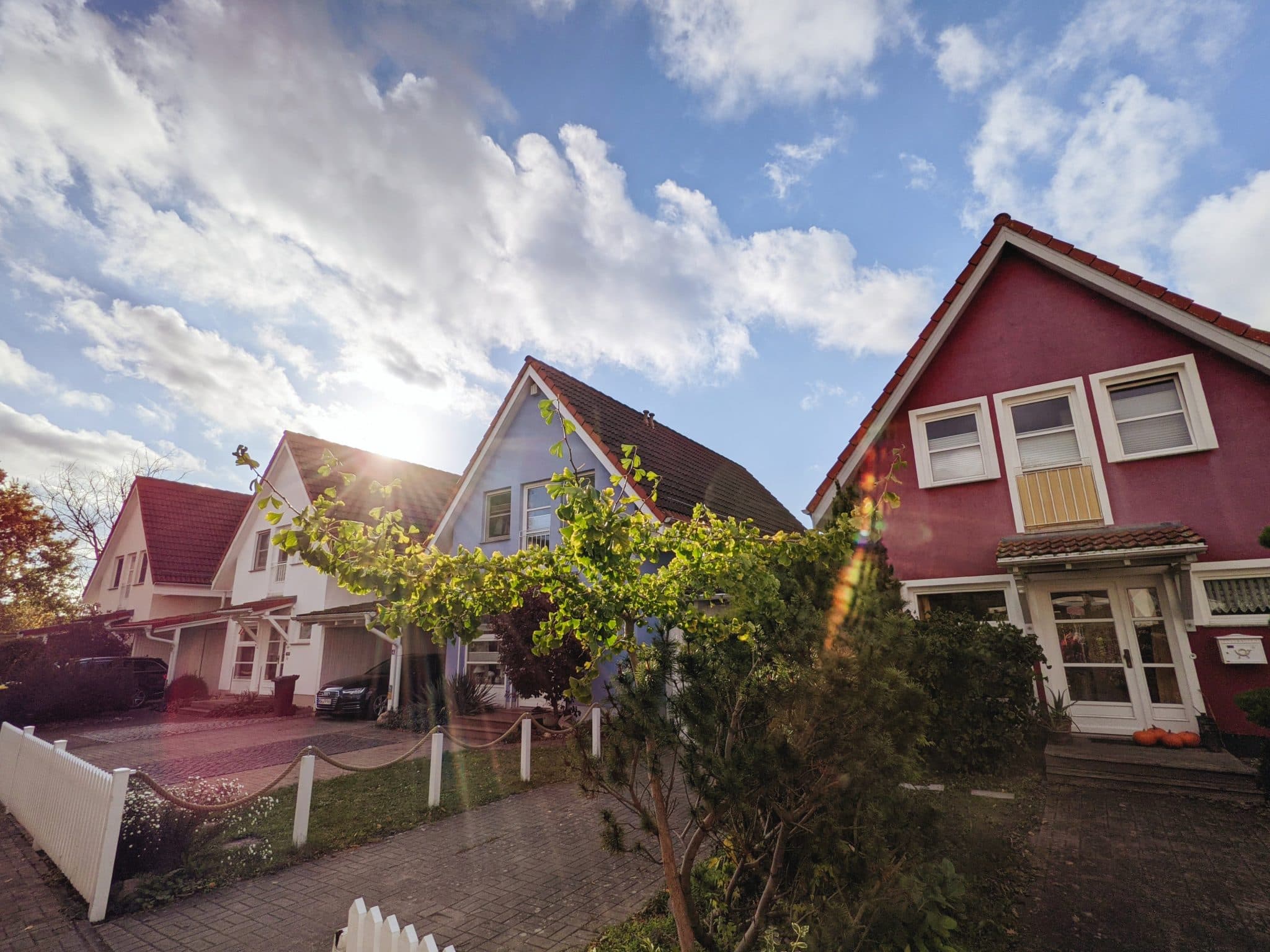
Land transfer tax — and the first-time buyer rebate

Land transfer tax (LTT) is usually the largest closing cost, charged as a percentage of the purchase price on a sliding scale when title transfers to you. It varies enormously: Alberta and Saskatchewan don’t charge it, most provinces do, and if you buy in the City of Toronto you pay a municipal LTT on top of the provincial one — effectively doubling it.

The good news for first-time buyers is the rebate. Ontario offers a provincial first-time-buyer rebate up to a set amount, and Toronto adds a separate municipal rebate; other provinces have their own programs. These can eliminate the tax entirely on lower-priced homes or take a large bite out of it on pricier ones. Because thresholds and eligibility change over time, confirm the current rebate with your lawyer and estimate the underlying tax first with our land transfer tax calculator.

Legal fees, title insurance, inspection and appraisal

Beyond the tax, several costs come from the people who make the deal safe and legal. Your lawyer or notary charges a fee plus disbursements (title searches, registration, software and courier costs) — together typically in the hundreds to low thousands. Title insurance is a one-time premium most lenders require, protecting against title defects and fraud; it’s modest relative to the purchase and arranged by your lawyer.

A home inspection is usually optional but wise — a few hundred dollars to know what you’re buying before you’re committed. An appraisal confirms value for the lender; it isn’t always required on insured purchases, but lenders order one on certain files, and the cost depends on the property. Finally, if you put less than 20% down, remember the PST on your CMHC premium is payable in cash at closing — a line first-time buyers routinely forget. For a broader breakdown by province, see our closing costs for home buyers in Canada guide.

How to budget your true cash-to-close

Your cash-to-close is your down payment plus your closing costs, and lenders want to see you have both. A practical planning figure is to set aside roughly 1.5% to 4% of the purchase price for closing costs on top of the down payment — toward the higher end in Ontario, and higher still inside Toronto because of the double land transfer tax. Confirm the exact number against your lawyer’s statement of adjustments a few days before closing.

It also helps to know your full budget early, since closing costs interact with how much home you can afford and how much down payment you’ll have left. Sketch your purchasing power with our affordability calculator and check your minimum down payment, then layer closing costs on top. If you’re buying a condo, factor in status-certificate review costs too. As an FSRA-licensed brokerage (#13737) with access to 100+ lenders, we’ll help you build a realistic cash-to-close plan — get pre-approved free, ask Maya anytime, or start your application when you’re ready.

FAQ

Common questions, answered.

Don’t see yours? Ask Maya — instant answer, any time.

How much are closing costs for a first-time buyer in Canada?
As a rule of thumb, budget roughly 1.5% to 4% of the purchase price for closing costs, on top of your down payment. The single biggest variable is land transfer tax, which depends on your province and municipality — a Toronto buyer pays both a provincial and a municipal LTT, while some provinces have no LTT at all. First-time-buyer rebates can reduce that meaningfully. The only precise number is the one on your lawyer’s final statement of adjustments, but the rule of thumb is a safe planning figure.
What is land transfer tax and do first-time buyers get a rebate?
Land transfer tax is a one-time tax you pay when a property changes hands, calculated on the purchase price on a sliding scale. Most provinces offer a first-time home buyer rebate that reduces or eliminates it up to a threshold — in Ontario the provincial rebate covers a set amount, and the City of Toronto offers an additional municipal rebate. Amounts and eligibility rules change, so confirm your rebate with your lawyer, and estimate the tax first with our land transfer tax calculator.
What do legal fees cover when buying a home?
Your real estate lawyer (or notary in some provinces) reviews the paperwork, conducts title searches, registers the mortgage and transfer, handles the funds, and closes the deal. The bill has two parts: the lawyer’s fee and ‘disbursements’ (title search costs, registration fees, courier, etc.). Together these typically run in the hundreds to low thousands. Ask for a quote up front so it’s in your budget, not a surprise.
Is title insurance required, and what does it cost?
Most lenders require title insurance on a purchase to protect against title defects, fraud, and certain survey or registration issues. It’s a one-time premium, generally modest relative to the purchase, priced on your property and mortgage amount. It protects both the lender and, with an owner’s policy, you. Your lawyer arranges it at closing and includes it in the disbursements.
Do I need a home inspection and an appraisal?
A home inspection is usually optional but strongly recommended — it’s money well spent to catch issues before you’re committed, typically a few hundred dollars. An appraisal confirms the property’s value for the lender; on many insured purchases it isn’t required, but lenders order one on certain files, and the cost varies by property type and location. We’ll tell you whether your lender needs one for your file.
What are closing adjustments?
Adjustments reconcile costs the seller prepaid. If the seller already paid property tax or utilities past your closing date, you reimburse them for the portion covering your ownership — and vice versa. These are calculated by the lawyers and appear on your statement of adjustments. They’re usually small but can swing the final cash-to-close a little in either direction.
Is there tax on the CMHC insurance premium?
The CMHC (or Sagen / Canada Guaranty) premium itself is added to your mortgage and paid over time, so it isn’t a closing cost. However, most provinces charge provincial sales tax (PST) on that premium, and that PST is due at closing — it can’t be rolled into the mortgage. It’s a commonly-missed line, so budget for it if you’re putting less than 20% down.
Can I add closing costs to my mortgage?
Generally no — closing costs must be paid in cash at closing and can’t be financed into an insured mortgage. Lenders do want to see that you have the funds available (often about 1.5% of the price) as part of qualifying. If cash is tight, options like a gifted down payment or planning your budget earlier can help; talk to us and we’ll map a realistic cash-to-close plan for your situation.
Do closing costs differ by province?
Yes, significantly — mostly because of land transfer tax. Alberta and Saskatchewan have no land transfer tax (just smaller registration fees), while Ontario, BC, and others charge it on a sliding scale, and Toronto layers a municipal LTT on top. Legal fees, title insurance, and inspection costs are broadly similar across provinces. That’s why the same-priced home can carry very different closing costs depending on where you buy.

Ready when you are.

No obligation and no credit check to start. Maya answers right away, and a licensed advisor steps in whenever you'd like.